Sacred Geometry + Design
REFLECTION
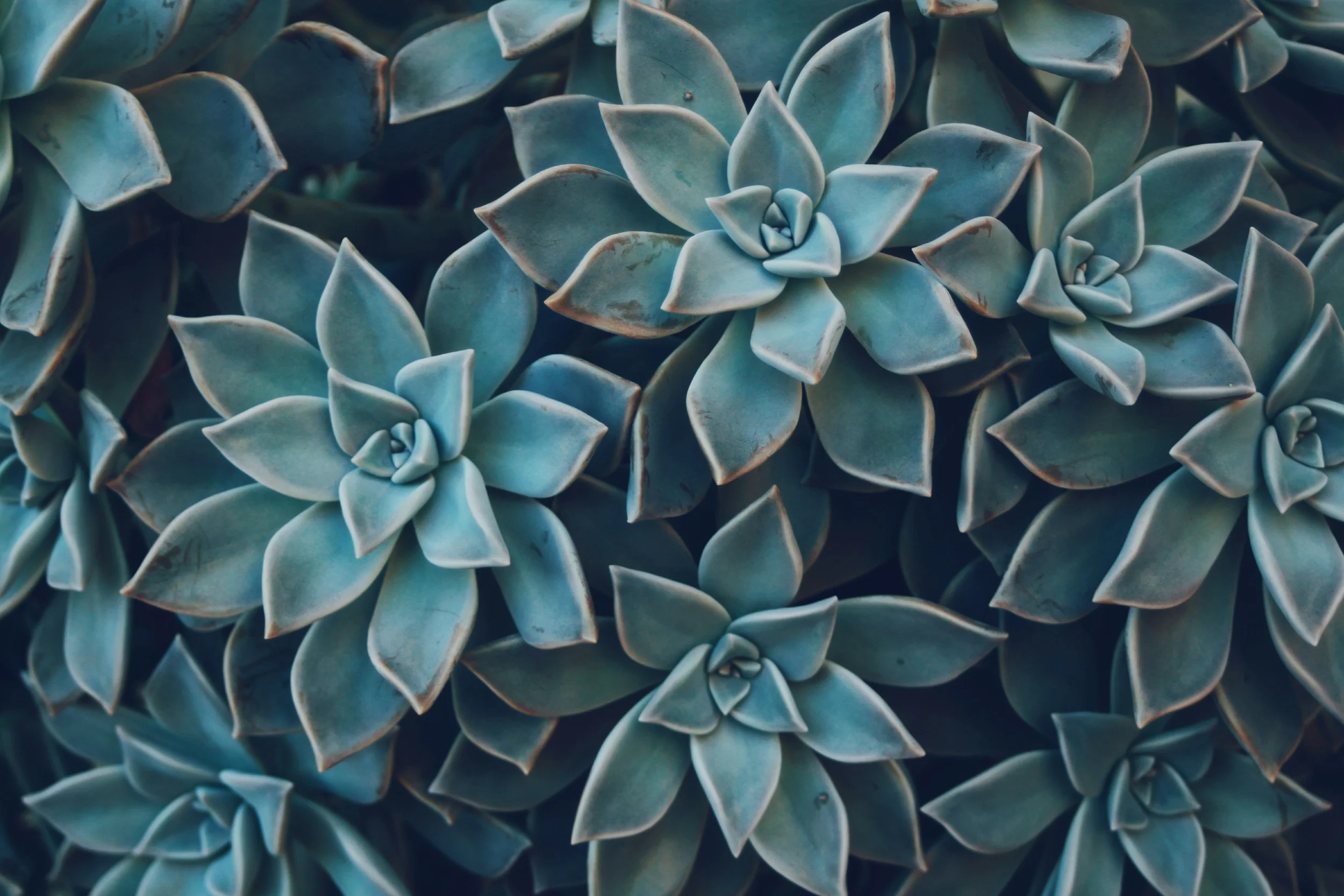
Sacred Geometry is the study of geometric patterns found in nature and exist in all things. For centuries, these forms have been associated with interconnection, harmony, order, spirituality, and beauty- inspiring architects, artists, philosophers, and scientists.
When we think of Sacred Geometry in architecture and design, we often envision historical masterpieces like the Pyramids, the Parthenon, or the Taj Mahal. A more modern articulation would be Le Corbusier's use of the Golden Ratio to design the proper proportions of living spaces in Unité d’Habitation. Sacred Geometry is everywhere including Disney’s Epcot Sphere.
There are many forms of Sacred Geometry. Here are a few to consider in relation to architecture and design:
• Platonic Solids – The five solids, symmetrical three-dimensional shapes (such as the cube and octahedron) represent the elements: earth, fire, air, water, and ether/spirit. These geometric principles are widely used in architecture today, from geodesic domes to millwork and facade articulation.
• The Flower of Life – A pattern of overlapping circles symbolizing the interconnection of life and cosmic order. Today, we often see these patterns in tilework, wallpaper, fabric patterns, and metalwork. It can also influence building layouts and site placement, fostering a deeper connection between the built environment and its surroundings. (See our picture above).
• The Golden Ratio - (Phi = 1.6180339…) – Found in nature, art, and even the human body. It is considered the perfect proportion and carries the spiritual meaning of harmony and balance in the universe. In architecture and design, perfect proportion is what creates peaceful beauty. In design, it guides the placement of windows, room dimensions, and asymmetrical millwork, creating a sense of effortless beauty and proportion (See our featured project).
Sacred Geometry’s universal spiritual meanings utilized in architecture and design have the ability to influence harmony, peace, and connection—between nature and humanity, spirit and humanity, human and human, as well as all of these elements and the built environment.