
Designing for Belonging
REFLECTION
Belonging begins as a quiet knowing.
It is the feeling of being seen and accepted as and for who we are. It is the softening in the shoulders when we enter a room and sense that nothing about us needs to be hidden or explained. There is intimacy in belonging. There is safety. There is connection.
When we design with intention, we are not simply arranging walls and furniture — we are shaping the conditions for that feeling to emerge.
Every space carries memory. The land holds its own history. The people who gather there bring theirs. The culture surrounding it weaves another layer still. Spaces that foster belonging take all of this into account. They begin with listening.
A designer might sit at a kitchen table with a family and ask about the rooms they remember from childhood — the spaces where stories were told, where meals stretched long into the evening, where prayer or quiet reflection took place. Maybe there was a small, dedicated room for gathering in intimacy. Maybe there was a courtyard where generations met under open sky. These memories are not nostalgia; they are blueprints for connection.
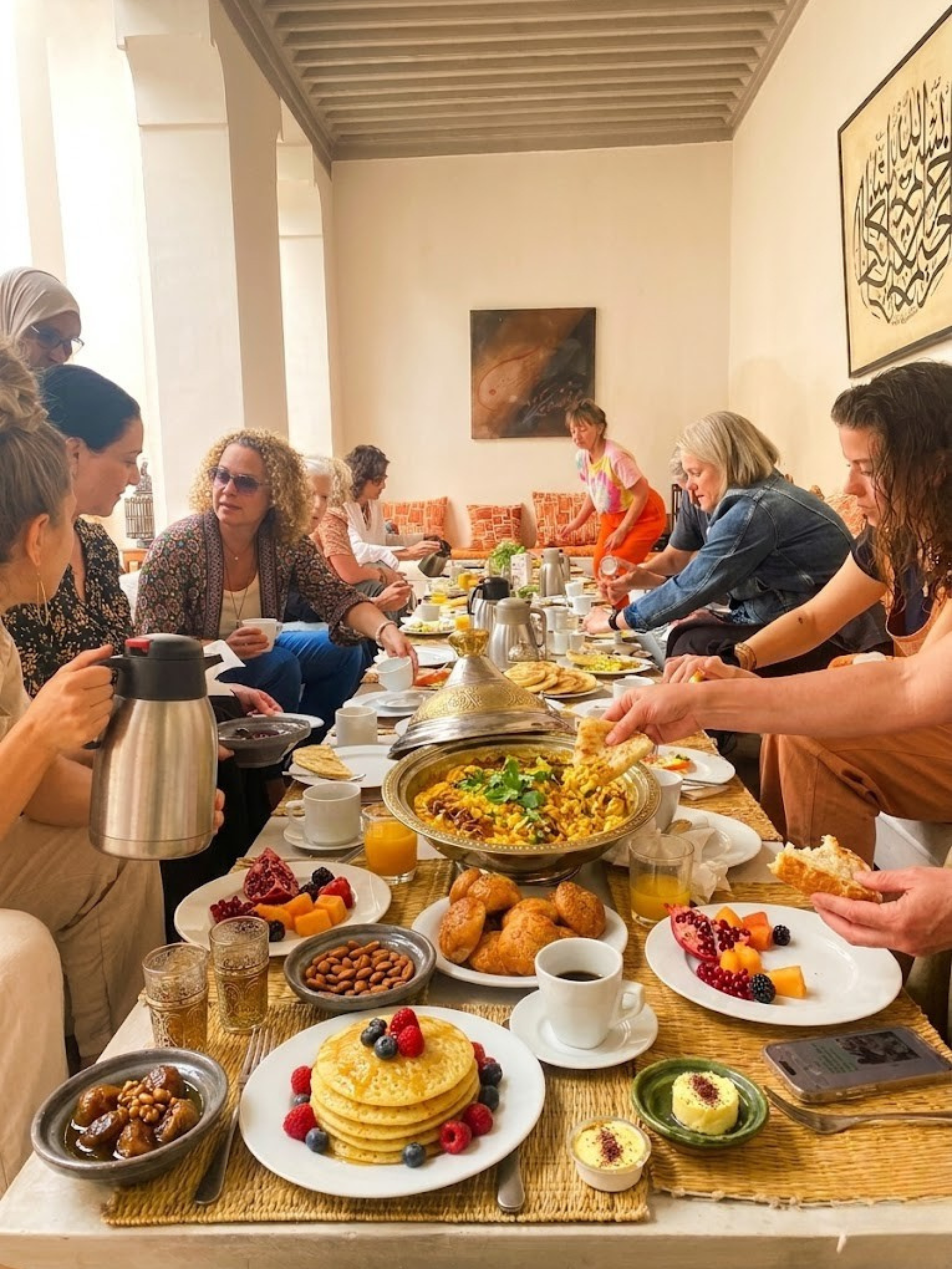
In a community setting, listening begins with an invitation to participate. What rituals have shaped this place? Was there once a long communal table where neighbors shared food? Is there a tradition of gathering in circles rather than rows? Design responds by honoring the essence of the past.
Culture often reveals itself through craft. The carved wood that tells a story through pattern and repetition. The woven textile whose symbols speak of lineage and land. The hand-shaped vessel that carries both function and meaning. When these elements are integrated thoughtfully, a space becomes continuous. Past and present exist within one, establishing a sense of belonging.
At the heart of belonging is safety. Sometimes that safety is physical: clear pathways, accessible seating, gentle lighting. Sometimes it is emotional: spaces that allow choice. A quiet corner where someone can retreat. An expansive room where laughter can rise and echo. When environments hold both individual and communal activities, they acknowledge the full spectrum of our needs.
Ritual deepens belonging.
It might be a simple candle-lighting table near an entryway. A tea station that invites pause. A hearth to gather around in warmth. These design elements seem typical until seen through the lens of ritual. They give form to moments that might otherwise pass unnoticed. Even alone, participating in ritual connects us — to others who have done the same, to those who will after us.
Furniture matters too.
A round table subtly dissolves hierarchy and invites conversation. A mix of seating — upright chairs, cushioned benches, supportive armrests — communicates that different bodies and preferences are anticipated and welcomed. Easeful, comfortable pieces encourage people to stay a little longer. And in staying, connection has time to unfold.
Belonging is a longing fulfilled through various elements.The physical place and lens we experience that space is only a portion of the elements but can help lead us there.
When we design with reverence for history, culture, ritual, safety, and choice, we create more than rooms. We create environments that say, You are welcome here.
And belonging begins.