BACK TO ANALOG
Back to Analog…Please! The dishwasher, the oven, the thermostats, the lighting, the music, the TV, the doorbell, the security cameras, the window shades, the sauna, the ice bath, the garage door. Everything has an app.
Just setting them all up is mind-numbing. And the cost of an integrated smart-home system hardly seems rational when technology changes so rapidly. I know this firsthand: I have two outdated systems in my own home that will eventually need to be replaced.
Then there are the constant software updates, the apps that need reconnecting, the new features nobody asked for (except people in a conference room coming up with ideas), and the inevitable question: WHAT’S THE PASSWORD?
It’s exhausting.
Technology was supposed to make our lives easier. Instead, we’ve created an entirely new layer of work just to operate the things we already own. We spend time managing our technology rather than enjoying the comfort and convenience it was supposed to provide.
Perhaps it’s time to untangle the mess.
I recently spoke with a social worker who helped establish a Centre for Recovery at a Canadian university. As she described the programs offered there, she mentioned something that caught my attention: recovery from technology.
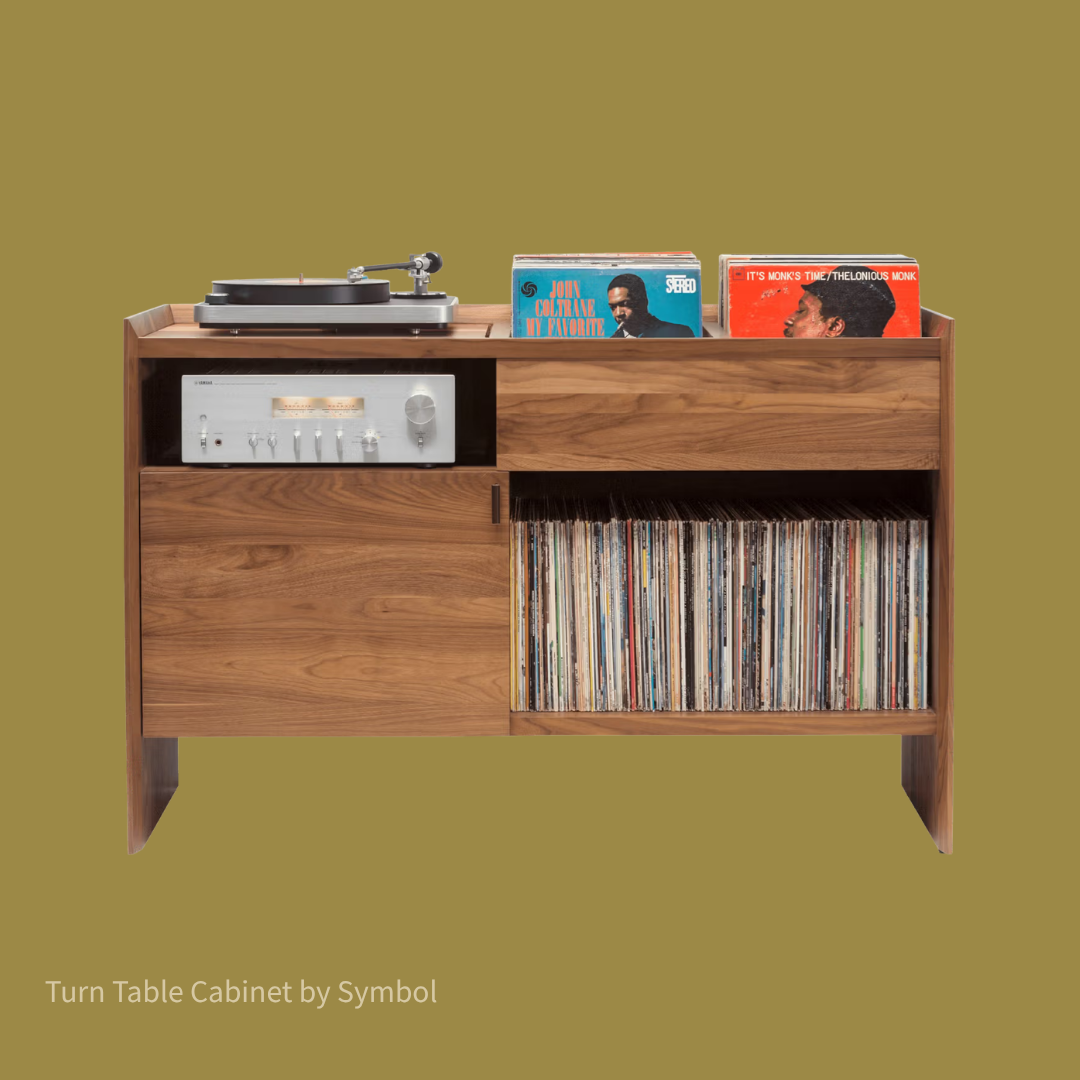
Integrated into the space was a turntable with vinyl records, a library of paperback books, and an art centre. Places to listen, read, make things, and reconnect with activities that don’t require a screen, a subscription, or a password.
They had deliberately integrated analogue.
I found that idea compelling. What if our homes could offer a little of that same relief?
Many of us simply want our appliances to do what they were designed to do: cook, cool, wash. We want a light to come on when we flip a switch. I admit there’s something wonderful about being able to turn off the lights two floors below when you’ve forgotten to do so, but does every light really need to be connected to a network?
Imagine a home designed around a few wonderfully unfashionable ideas:
Listening rooms with turntables, vinyl records, comfortable chairs, and speakers that simply play music.
Wired doorbells that ring when someone arrives, without requiring a notification, a charged phone, or a reliable Wi-Fi connection.
Simple light switches that turn lights on and off. No app required.
Reading nooks with a good chair, a reading lamp, and a stack of books waiting to be opened.
Paper calendars on the wall, where the family’s plans are visible to everyone without opening another screen.
A brick for your phone. A place to leave it when you walk through the door. Not another charging station, but a small, deliberate boundary between being connected and being present.
None of this means abandoning technology altogether. Smart thermostats can save energy. Automated shades can be useful. The ability to check a security camera remotely can offer genuine peace of mind.
The suggestion is not to go backwards but to stop moving forward simply because we can. Intentionally designing spaces and products that support a truly easeful life focused on the experience versus perceived efficiency.
Perhaps the real luxury in the modern home is no longer having everything connected instead with the focus of reliably, intuitively, and independently of the latest technology cycle.
We’ve spent years making our homes smarter. Maybe it’s time to make them more human. A bit less connectivity, a bit more quiet. Less managing, and more living.