Our world moves fast and is abundant with activation, choices, and information, so much so that separation and loneliness are increasingly prevelant.  It takes work to see how interconnected we are, how we all need one another, how every one of us matters, and how none of us can do this life alone. This truth is not exclusive to humanity; it extends throughout the natural world as well.  And I would argue is expressed through design and the built environment.

Every experience is shaped by the built environment. We enjoy the completed space, a home, a hospitality venue, an educational facility, or a workplace, but we rarely consider the chain of actions required to bring it into existence. Creation is never the work of a single designer, or even a collection of designers and architects. It is a system of collaboration that begins with an idea.

A kitchen renovation, for example, begins with a need: new appliances, better storage, or expanded space. The homeowner collaborates with a designer or architect who listens, asks questions, and educates the client about what is possible. As the design evolves, the team considers structure, flow, materials, and function. They think about how materials will wear over time, where they come from, and how they contribute to the overall experience of the space. Each element selected has an infinite number of hands that touch their production and installation.  Think of the kitchen countertops which require sourcing from the earth, moving to a warehouse for storage, selection by the designer, moving to the fabricator, who then templates the jobsite, fabricates the countertops, finally to install in the home.  So many hearts and hands were involved in this single element.

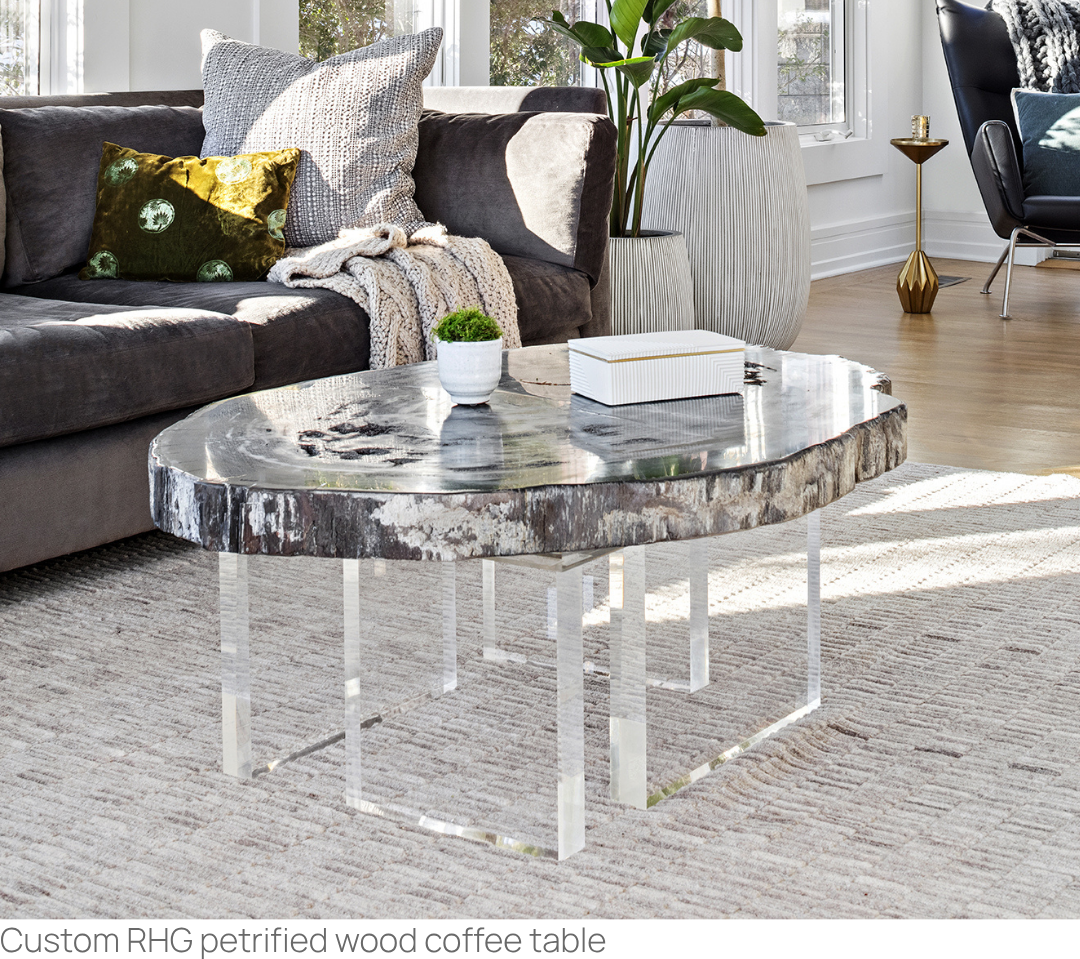
Or designing a dining table, another simple example of our interconnection. The design must consider the materials and their origins. Will it be a solid wood plank, veneered wood, metal, or a combination of materials? Each material must be sourced, often grown, harvested, processed, warehoused, transported, shaped, and finished. There is a person, or many people, behind every step.

The same is true for the table's base. Perhaps it is metal while the top is wood. Different makers must collaborate to ensure each component fits together seamlessly. Once completed, the pieces must be delivered and installed. A simple custom table requires countless actions and contributions to bring it to life. Now imagine an entire home, a restaurant, or a school. It is an orchestra of people, skills, and coordinated effort.

Why does this matter?  Because when we begin to see our environments as this orchestra, as collaboration, as interconnection, we start to value life, one another, and ourselves at a deeper level. We develop a reverence for nature, community, creativity, and the blood sweat and tears of our brothers and sisters.  We become more present and more grateful.