Kabbalah + Design
REFLECTION
As a young person, it was my curiosity that drew me to explore various wisdom traditions. What I began to understand was that each tradition shares similar values—and their influence on design has similar touchpoints as well.
Kabbalah is Jewish mysticism. It has been integrated into architecture and design as a means of bringing spirituality into the built environment. Symbolism abounds.
In Kabbalah, light and geometry play a role in the beginning of creation. It is understood that light both receded and reformed in order to create. This concept is reflected in architecture through the use of focused natural light to accentuate form and evoke awe, seen most famously in the work of Louis Kahn.
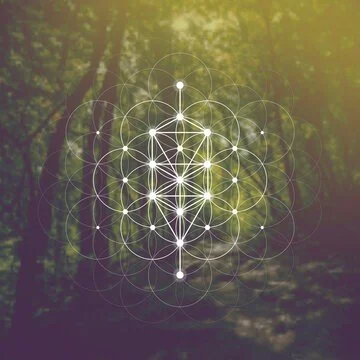
The Tree of Life, symbolized by ten interconnecting spheres, represents the spiritual attributes of creation such as beauty, strength, and wisdom. At times this can influence the layout of a space—for example, the transition between public and private areas, or the design of spaces meant for grounding versus transcendence, such as a meditation room with a skylight that connects to the heavens.
Tikkun Olam, or the principle of repairing the world, inspires sustainable and restorative design. Designing to heal environments, restore balance, and reconnect people to nature echoes the view that the physical world can be uplifted through conscious action. In design, this is reflected through authentic material choices, inclusive spaces, and floor plans that encourage an easeful flow.
While Kabbalah may be a lesser-known influence on design, it reminds us that the philosophies and guiding principles of spiritual practice shape not only how we live, but how we experience our spaces. It makes me eager to keep learning.