Neuroaesthetics + Design
REFLECTION
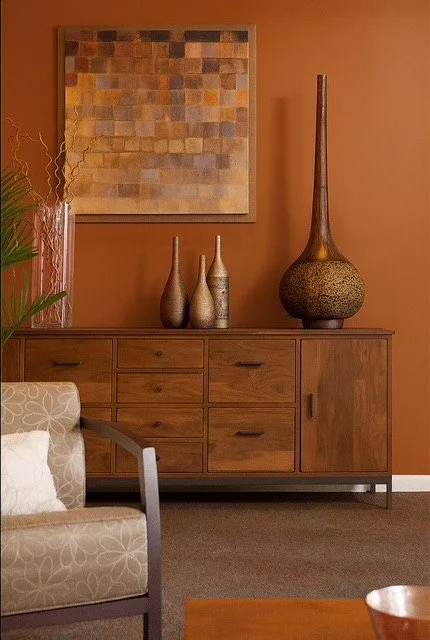
Neuroaesthetics is a hot topic in design. It’s where neurology, psychology, and design meet—described as the science behind how our brain and body receive, process, and respond to various art forms, including architecture and interior design. It helps us understand how and why certain spaces make us feel calm, invigorated, or joyful.
Design elements implemented in neuroaesthetics:
Symmetry and proportion – Our brains recognize and process specific proportions, such as the golden ratio, as familiar. This familiarity results in a sense of beauty and pleasure. Symmetry works similarly; when it’s present, we process it easily, and when it’s absent, our brains work to make sense of the space, object, or image.
Color psychology – Different colors trigger different physical and emotional responses in our bodies. For example, blue is known to lower heart rate and induce calm.
Biophilic design – Integrating elements of nature through pattern, texture, and light is known to reduce stress. This can be the beauty of raw wood, natural stone, or fractals expressed in patterns or light. It can be as simple as adding plants and flowers to a room, or as complex as using architectural shapes that guide the eye toward nature.
Flow or movement through a space – A clear understanding of spatial flow relaxes the mind. The effort to navigate becomes easeful. Even rearranging furniture or décor can shift how a room makes you feel.
Multi-sensory textures – Integrating a variety of textures invites the mind to consider how those surfaces came to be, inducing a sense of wonder and presence. Soft, layered textures are soothing, while glossy or jagged textures are stimulating.
Many of these elements have been highlighted in past monthly topics, and you may start to notice significant overlap. You might also see how my design philosophy connects closely with each of them. Neuroaesthetics is a science that confirms what—when we are highly conscious beings—we intuitively know: our environments change how we feel, what we recall, and how we function. They influence our well-being through the choices made in design.